

Xinyang Maojian Tea: Fine Needle-Shaped Leaves with a Distinctive Spring Character
Among China's traditional green teas, the Maojian style is distinguished by its slender, tightly rolled leaves, visible fine hairs and lively infusion. Its identity is closely associated with the tea-growing landscape of Xinyang in southern Henan Province, where hills, seasonal rainfall and spring temperature patterns influence the development of tender tea shoots.
Unlike flat-shaped green teas, this variety retains a narrow, pointed appearance that reflects its rolling and shaping process. The resulting cup is appreciated for fresh vegetal fragrance, briskness, a satisfying tea body and a clean aftertaste. For international buyers, these characteristics provide practical reference points for comparing harvests, evaluating grades and selecting material for premium loose-leaf collections.
Origin Identity: The Tea Landscape of Southern Henan
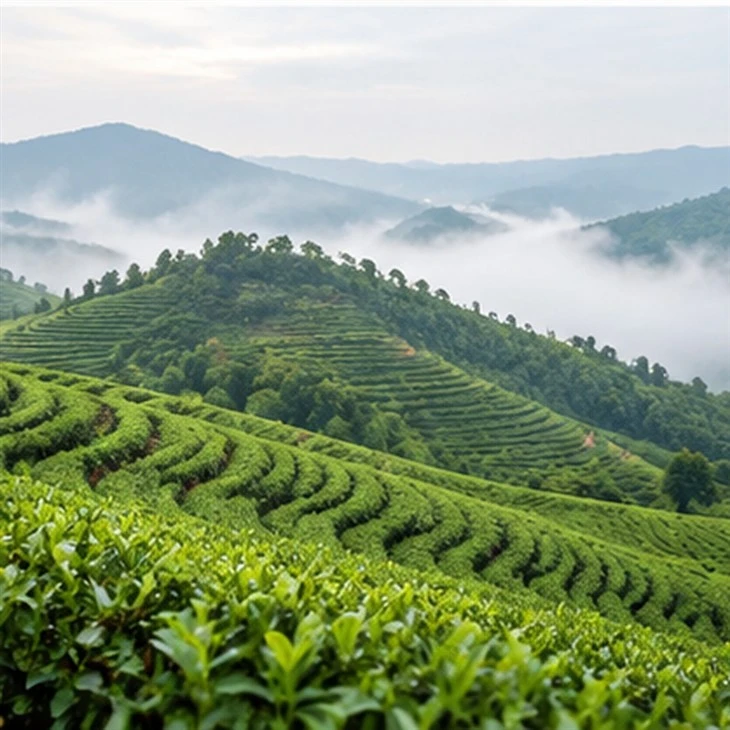
Xinyang lies in the southern part of Henan, near the geographical transition between northern and southern China. The region's hills, forested slopes and relatively humid growing environment have supported a long tradition of green tea cultivation.
Well-known tea-producing areas include parts of the Shihe District and surrounding mountainous districts. Within the wider producing region, differences in elevation, slope orientation, soil conditions and garden management can influence the timing of bud emergence and the character of the harvested leaves.
Origin is therefore an important purchasing criterion, but it should not replace sensory evaluation. Buyers seeking a particular producing area should request traceable lot information and confirm the geographic description applicable to the offered tea rather than assuming that every Maojian-style product has the same provenance.
Spring Harvest Selection and Leaf Tenderness
Harvest timing is a major influence on the appearance and commercial positioning of fine Chinese green tea. During early spring, slowly developing buds can produce delicate material suitable for refined, small-leaf grades. As the season advances, shoots become more developed and may provide a fuller infusion at a different price point.
Early-plucked material is often sought for its fine appearance, tenderness and delicate fragrance. Bud uniformity, intact leaf structure and the clarity of the finished infusion are useful assessment points for premium retail grades.
Slightly more developed shoots can deliver a stronger tea presence and broader commercial flexibility. Consistent leaf size, controlled processing and balanced taste remain important when selecting lots for everyday specialty tea ranges.
Harvest labels such as Mingqian and Yuqian should be supported by actual picking dates and lot records. Calendar terminology alone does not establish the quality or grade of a particular shipment.
The Signature Leaf: Fine, Tight, Straight and Hairy
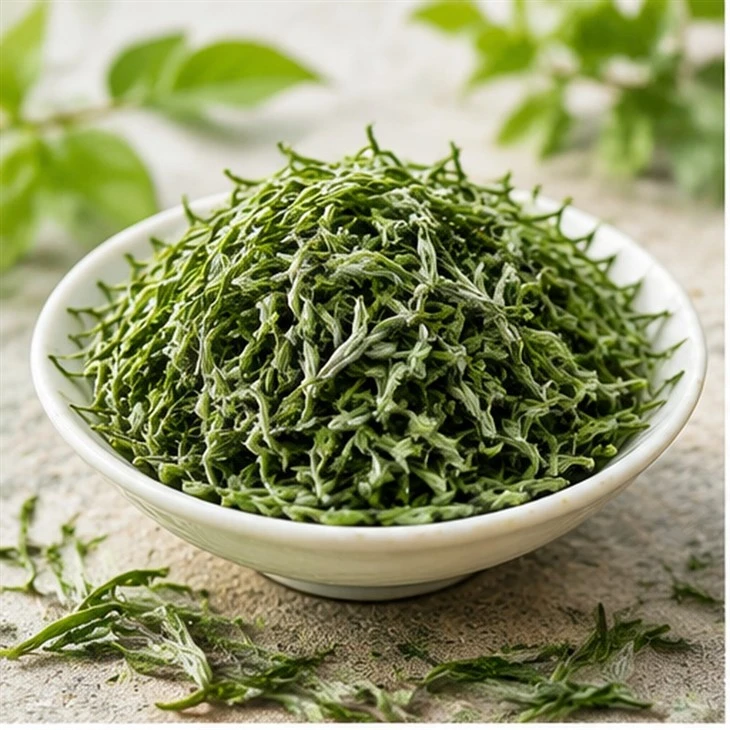
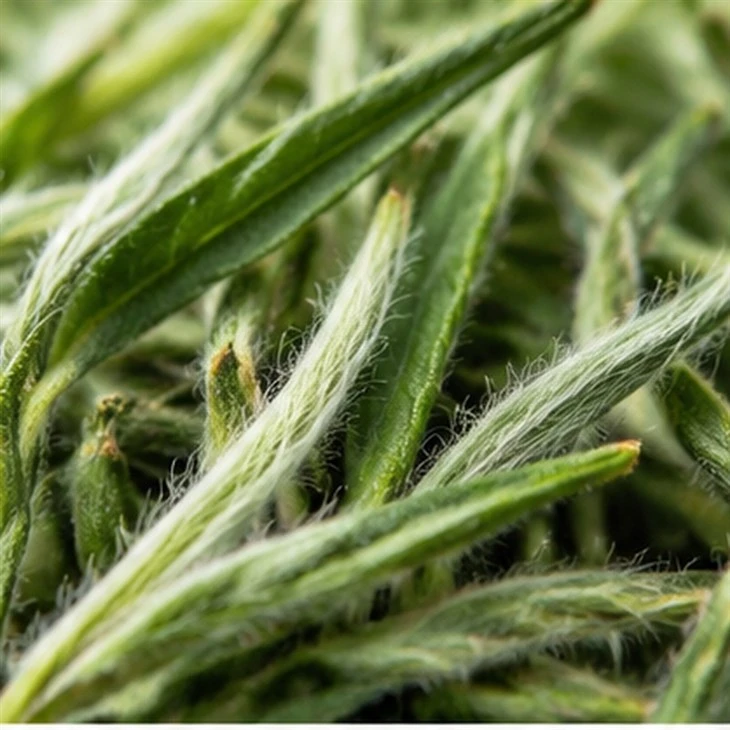
The word Maojian refers to the characteristic hairy, pointed appearance associated with this tea style. In well-made examples, the dry leaves form narrow, compact strips rather than broad flattened blades. Their color may range from deep green to green with lighter highlights, depending on raw material and processing.
Fine white hairs, or pekoe, may be visible on tender buds. Their presence contributes to the recognizable appearance of the tea, but the quantity of visible hairs should not be treated as the only measure of quality. Leaf integrity, uniformity, fragrance and the brewed cup must also be examined.
Examine strip tightness, fineness, leaf color, visible pekoe, consistency of shape, broken-leaf proportion and cleanliness. Compare multiple samples under the same lighting conditions before assigning a commercial grade.
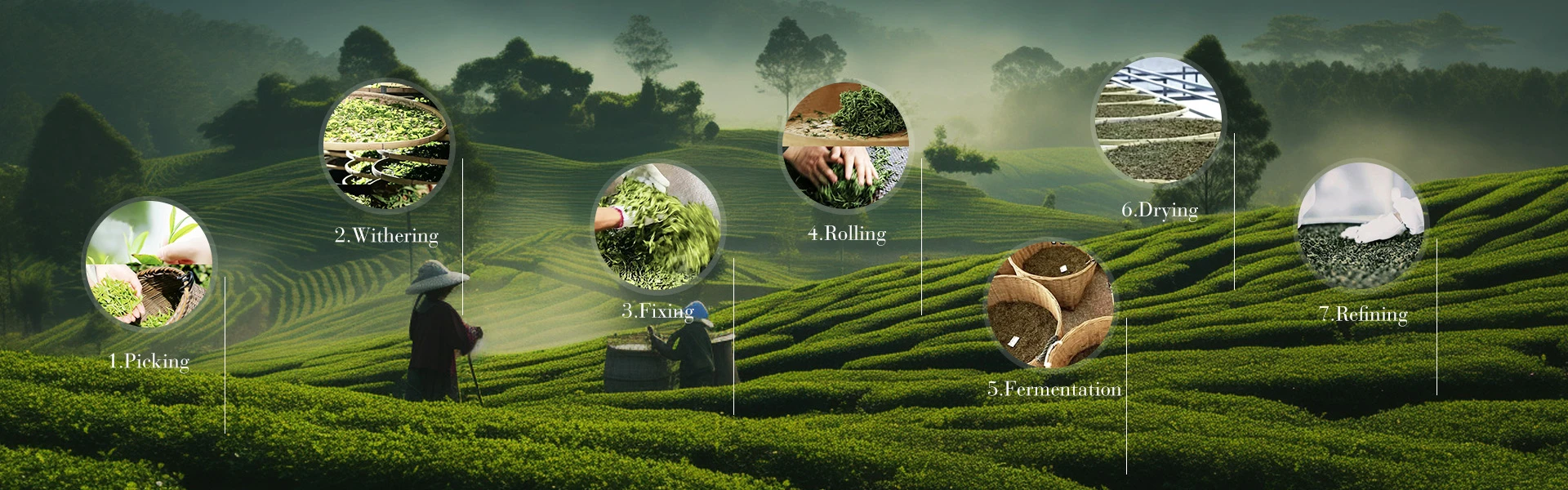
Traditional Processing: From Tender Shoots to Compact Green Strips
The defining appearance of this tea is created through a sequence of careful handling and heat treatment. Although processing equipment and individual techniques differ between producers, several operations are central to the Maojian style.
Freshly picked shoots are sorted to improve uniformity and may be spread briefly to manage surface moisture and leaf condition before heating.
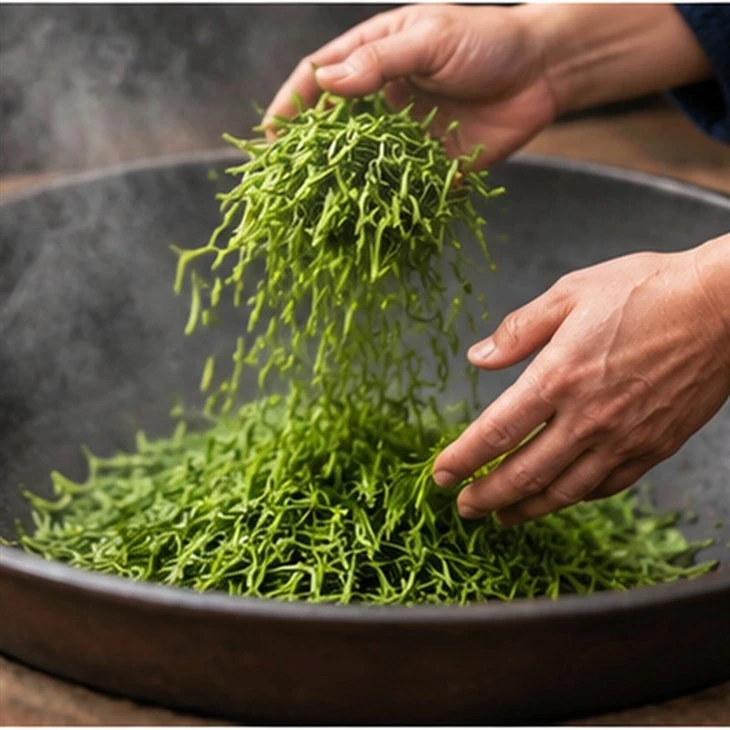
Controlled heating reduces the activity of enzymes responsible for oxidative browning. Proper fixation is essential to developing a clean green-tea character without excessive raw grassy or scorched notes.
Rolling and shaping help create the characteristic tight, slender strips. The pressure and handling must be controlled to achieve a coherent shape without unnecessarily damaging tender leaf tissue.
Final heat treatment reduces residual moisture and stabilizes the leaf for storage. Temperature management affects the balance between fresh vegetal fragrance, subtle toasted notes and the risk of unwanted over-firing.
For buyers, processing quality can be judged through both the dry leaf and the infusion. Uneven heating, excessive fragmentation or poorly controlled drying may become apparent through inconsistent color, harshness or undesirable aromas.
Professional Sensory Profile
A representative cup is appreciated for its balance of freshness, fragrance and brisk tea character. The precise profile varies by harvest, leaf maturity and processing style, so the following descriptions should be used as evaluation references rather than guaranteed characteristics of every lot.
Slender, tight strips with pointed tips, a green appearance and fine hairs on tender material.
Fresh green-tea fragrance, with possible tender vegetal, floral or lightly toasted nuances.
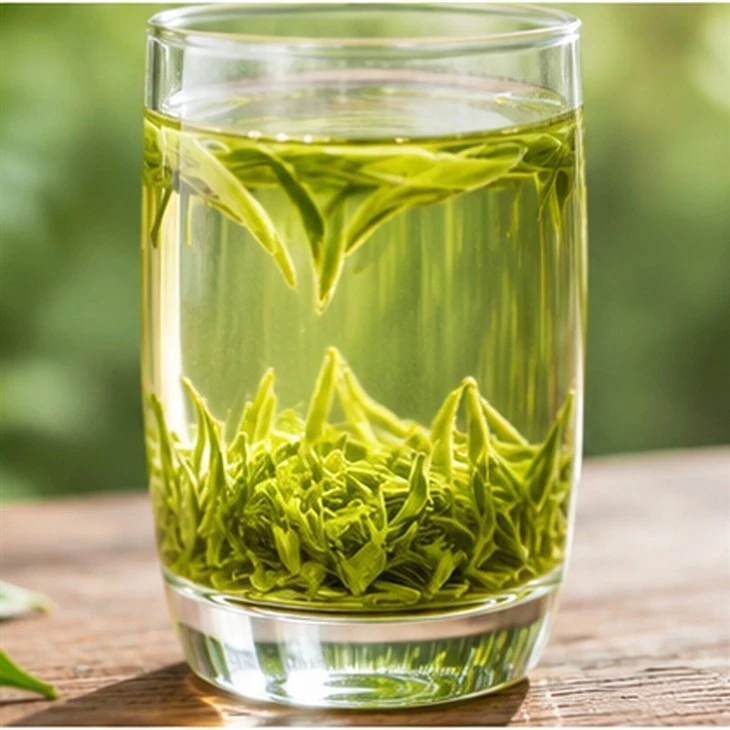
A clear greenish-yellow to yellow-green infusion, depending on grade and brewing conditions.
Fresh, lively and moderately brisk, ideally with balanced astringency and a clean finish.
Understanding Briskness, Sweetness and Astringency
The sensory structure of green tea reflects the interaction of several naturally occurring compound groups. Amino acids, including theanine, contribute to savory and mellow taste impressions, while catechins are associated with bitterness and astringency. Caffeine also contributes to the overall taste.
The balance between these compounds varies with cultivar, growing conditions, shoot maturity and processing. This helps explain why a tender early-spring sample may feel different from a more mature harvest, even when both are produced in the same broad region.
For procurement purposes, laboratory analysis can support a technical specification where required, but it should not replace tasting. A sample with an attractive chemical profile may still be commercially unsuitable if its aroma, mouthfeel or finish does not match the intended product positioning.
Brewing Protocol: Preserving Freshness Without Excessive Extraction
The compact leaf shape makes brewing control particularly important. Water temperature and contact time determine how rapidly flavor compounds enter the infusion. Excessively hot water or prolonged steeping may emphasize bitterness and astringency, especially in tender green-tea grades.
Use a clean glass or porcelain vessel and water without strong mineral or chlorine odors. Observe how the narrow leaves gradually hydrate and open, then assess the infusion while it is warm enough for aroma recognition but comfortable to taste.
These parameters are a starting recommendation, not a fixed factory specification. Buyers comparing multiple grades should standardize the brewing method and may conduct a second, stronger infusion to reveal differences in body, bitterness and leaf quality.
Green Tea Freshness During International Distribution
Green tea is sensitive to environmental conditions after processing. Heat, moisture, oxygen, light and surrounding odors can gradually alter its appearance and fragrance. This is particularly important for products marketed around the fresh character of spring harvests.
Appropriate moisture-barrier packaging and careful warehouse management help protect the product through distribution. For longer storage periods, a cool, dry and stable environment is preferable, with additional temperature control considered according to the packaging system and logistics plan.
Importers should review the packing date, agreed shelf-life evidence, carton protection and expected transit conditions. Once bulk packaging is opened for repacking, exposure time and handling conditions should be controlled to avoid unnecessary deterioration before retail sale.
Wholesale Grade Selection and Buyer Acceptance Criteria
A useful wholesale specification should describe the tea in measurable or verifiable terms. Labels such as premium, superior or first grade are not sufficient unless the buyer and supplier share the same definition of the offered material.
| Inspection Item | Recommended Evaluation Method |
|---|---|
| Origin and Harvest | Confirm declared producing area, harvest season and traceable lot identification. |
| Dry Leaf Grade | Compare strip fineness, uniformity, color, tenderness, broken material and foreign matter. |
| Sensory Quality | Use a standardized cupping method to examine aroma, liquor appearance, taste and infused leaves. |
| Physical Parameters | Agree on applicable moisture, particle-size and cleanliness limits before order approval. |
| Food Safety Documentation | Specify pesticide residue, contaminant and other testing requirements for the destination market. |
| Packaging and Shipment | Confirm net weight, barrier material, carton labeling, shipment terms and storage instructions. |
Numerical limits, test results and certification documents must be confirmed for the specific commercial lot. The table above is a procurement framework, not a declaration of completed testing.
Product Applications for International Tea Buyers
The narrow-leaf appearance and traditional Chinese green-tea identity make this variety suitable for several commercial channels. Each application calls for a different balance of visual quality, taste consistency, packaging and price.
Focus on intact leaf appearance, origin information, sensory distinction and protective small-format packaging.
Emphasize the visual character of fine spring tea, thoughtful presentation and clear brewing guidance.
Prioritize repeatable cup quality, practical serving procedures and consistency between purchasing lots.
Develop a grade and packaging specification suited to the target retail price, brand identity and destination-market labeling rules.
Bulk Supply and Custom Packaging Considerations
Yuni Food supports international tea sourcing discussions for bulk loose-leaf supply and private label development. Buyers can request quotations based on their preferred grade, order volume, destination market and packaging requirements. Commercial details are subject to sample approval and final quotation.
Discuss harvest timing, leaf tenderness, sensory expectations and reference sample approval.
Review protective inner bags, carton configuration, packing weight and shipment conditions.
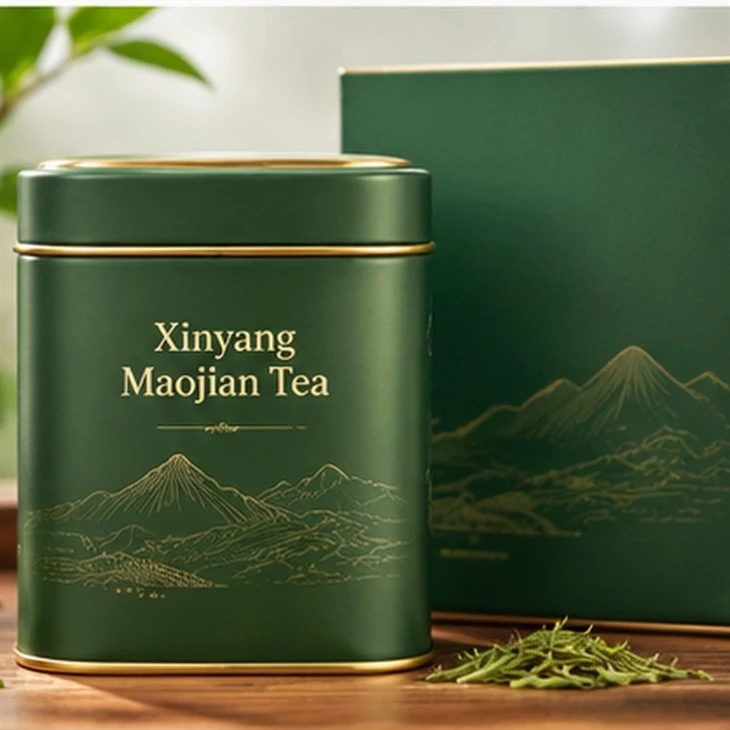
Discuss branded tea tins, sealed pouches, gift packaging and custom labeling requirements.
Confirm purchase quantity, applicable test documents, lead time and delivery terms.
Source a Distinctive Chinese Green Tea for Your Collection
A well-selected Maojian should offer more than a recognizable name. Its leaf appearance, harvest character, processing quality and infusion must work together to meet the expectations of the intended market.
Contact Yuni Food to discuss Xinyang Maojian Tea wholesale sourcing, sample comparison, available grades and OEM packaging options. Please provide your destination country, preferred tea grade, estimated order volume and retail or bulk packaging requirements.
Request Green Tea Samples & Wholesale QuoteHot Tags: xinyang maojian tea, China xinyang maojian tea manufacturers, factory


