

Fruit Tea Sample Set | Discover, Compare and Develop Your Next Beverage Collection
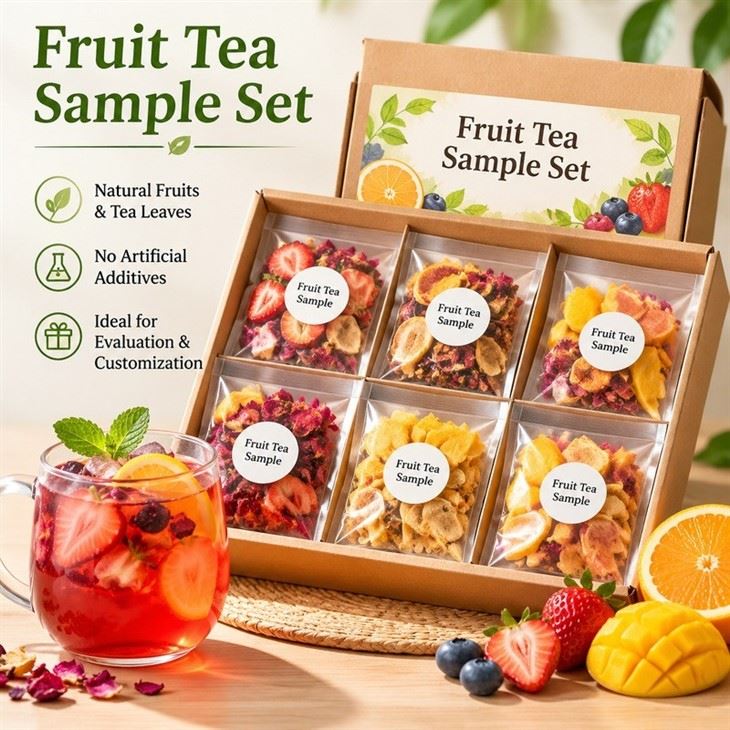
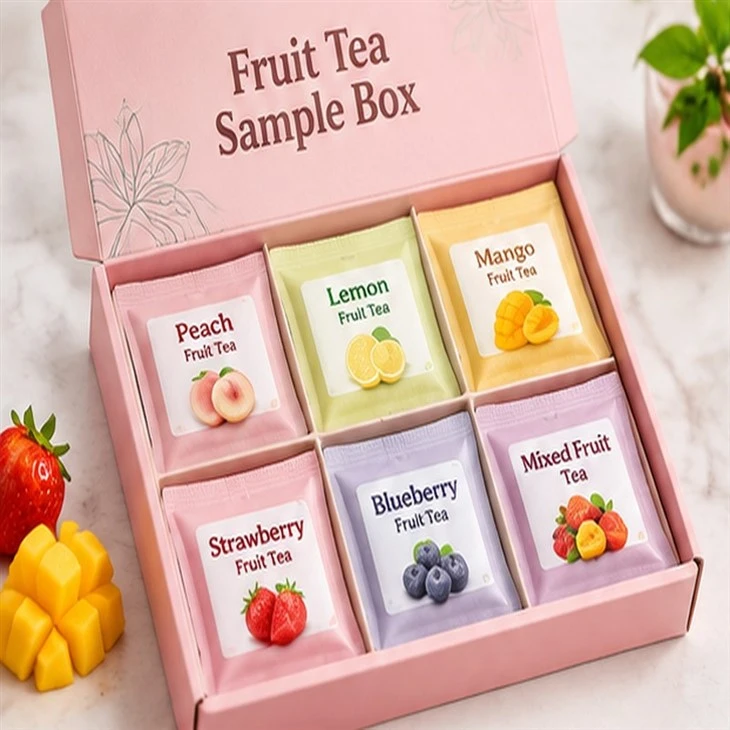
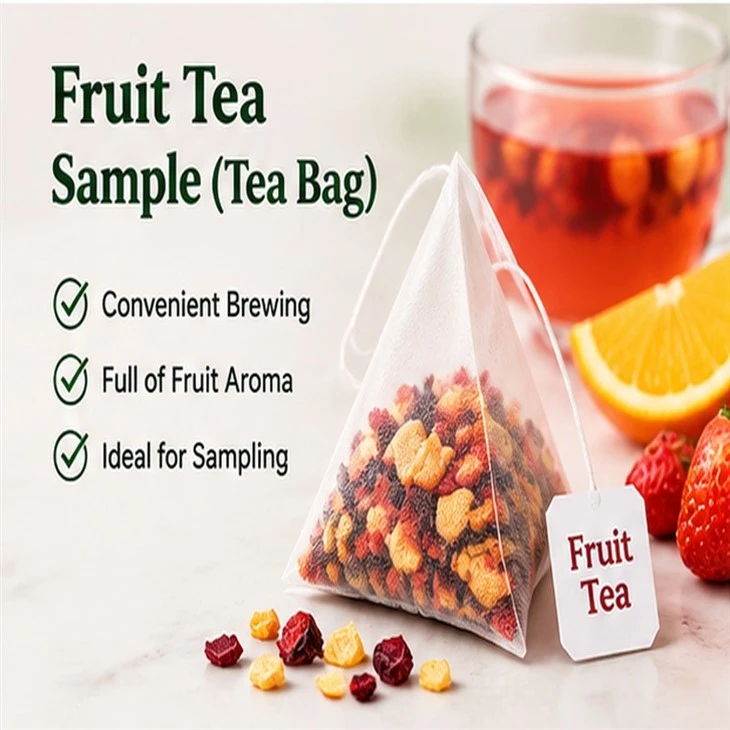
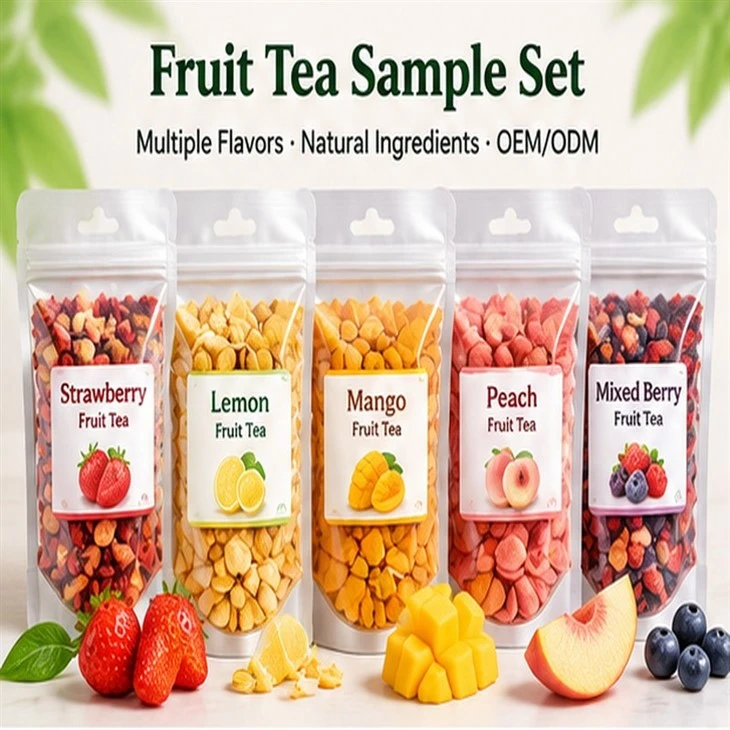
Every successful beverage launch begins with an important decision: choosing a flavor that customers will want to experience again. A Fruit Tea Sample Set gives professional buyers a practical way to investigate different fruit-inspired tea concepts before committing to a larger purchasing program.
Rather than relying entirely on photographs, ingredient descriptions or flavor names, buyers can evaluate the actual drinking experience. This makes sampling particularly valuable for beverage brands, tea importers, foodservice operators and businesses preparing new product collections.
Yuni Food offers fruit tea sourcing discussions for international commercial customers seeking sample evaluation, product development and potential long-term purchasing cooperation.
01. From Flavor Inspiration to Commercial Product
Fruit tea development often begins with a simple idea, such as a refreshing citrus blend, a fragrant floral-fruit combination or a sweeter tropical profile. Turning that idea into a marketable beverage requires a more structured evaluation process.
A sample program allows buyers to examine how different ingredients interact, whether the flavor matches the intended customer and how the beverage performs under the proposed preparation method.
The objective is not simply to select the most intense flavor. It is to identify a blend that fits the brand, distribution channel and expected consumer experience.
02. Understanding Fruit Tea Flavor Architecture
A fruit-inspired tea blend can contain several sensory elements that contribute to its overall character. These may include the underlying tea base, fruit aroma, sweetness perception, acidity and lingering aftertaste.
Some concepts emphasize bright citrus notes, while others highlight soft orchard-fruit characteristics or more expressive tropical fruit combinations.
When evaluating samples, buyers should consider how these characteristics work together rather than judging each component separately.
03. Exploring Different Fruit Tea Directions
Fruit tea collections can be developed around different flavor families depending on ingredient availability and formulation requirements.
Citrus-Led Profiles
Lemon, orange, kumquat and related citrus notes can contribute a bright and refreshing sensory direction. These concepts may suit beverage menus seeking a lively fruit character.
Orchard-Fruit Profiles
Apple, pear and peach-inspired combinations can offer softer aromatic impressions and may be considered for approachable retail tea collections.
Tropical-Fruit Profiles
Pineapple, passion fruit and mango-inspired blends can create distinctive fruit-forward beverage concepts.
Berry-Inspired Profiles
Strawberry, mulberry and other berry notes can introduce recognizable fruit identities to specialty tea assortments.
Floral and Fruit Combinations
Jasmine, osmanthus and selected fruit profiles can be explored together where a more layered aromatic experience is desired.
These are potential formulation directions, not a confirmed inventory list. Available sample flavors and actual ingredients should be verified before ordering.
04. The Importance of the Tea Base
The tea base influences the balance and character of a fruit tea beverage. Different bases may contribute varying levels of body, astringency and aroma.
Green tea may be considered for lighter fruit concepts, while black tea can provide a more pronounced underlying tea character.
Oolong tea offers another formulation direction, with sensory characteristics that depend on its processing style.
Some fruit infusions may be developed without traditional tea leaves. For this reason, buyers should verify whether a particular sample contains Camellia sinensis and whether it naturally contains caffeine.
05. A Structured Method for Sample Evaluation
Professional sample evaluation benefits from consistent preparation conditions. Without a standardized method, differences in water quantity, infusion time and temperature can distort comparisons.
Buyers may establish a tasting protocol covering the following elements:
- Sample identification and batch reference
- Dry ingredient appearance
- Aroma before brewing
- Color and clarity of the prepared beverage
- Initial flavor impression
- Sweetness and acidity balance
- Tea character and aftertaste
- Overall suitability for the target market
Recording these observations helps purchasing and product development teams compare samples more objectively.
06. Evaluating Hot and Cold Beverage Concepts
Preparation temperature can significantly influence the sensory experience of fruit-inspired tea products.
Hot brewing may emphasize certain aromatic characteristics, while cold preparation can produce a different balance of flavor and perceived intensity.
Not every blend is suitable for direct cold-water extraction. Buyers should confirm preparation suitability and food safety requirements for the specific formulation.
For commercial beverage programs, samples should be tested using the actual preparation procedure intended for the final product.
07. Designing a Fruit Tea Sample Evaluation Program
A well-planned sampling project can be divided into several stages.
Stage One: Define the Market
Identify the intended sales region, consumer group, product format and desired flavor positioning.
Stage Two: Select Candidate Flavors
Choose a manageable range of fruit tea concepts for initial comparison.
Stage Three: Conduct Sensory Testing
Prepare samples under consistent conditions and record observations using agreed evaluation criteria.
Stage Four: Review Commercial Feasibility
Consider ingredient specifications, packaging format, target price and potential purchasing quantities.
Stage Five: Confirm the Preferred Product
Establish the final formulation requirements and arrange further verification before bulk purchasing.
08. Applications for Beverage Chain Development
Tea shops, beverage chains and foodservice operators often require products that deliver a recognizable flavor experience under repeatable preparation conditions.
A sample evaluation process can help identify potential menu additions and compare beverage concepts before commercial introduction.
Operators should consider serving temperature, preparation time, ingredient handling and consistency between different outlets.
For chain applications, a preferred sample should be assessed under realistic operating conditions.
09. Opportunities for Retail Tea Brands
Fruit tea samples can also support retail assortment planning.
A specialty retailer may explore seasonal fruit combinations, introductory flavor collections or products intended for specific customer preferences.
Private-label businesses can use sample evaluation to develop a recognizable flavor identity before investing in packaging and promotional materials.
The final product concept should reflect verified ingredients, accurate product descriptions and applicable labeling rules.
10. Product Information Reference
Product Name: Fruit Tea Sample Set
Product Category: Tea Samples
Subcategory: Fruit Tea Samples
Product Purpose: Commercial Sample Evaluation
Flavor Selection: According to available samples
Tea Base: Formulation-dependent
Fruit Ingredients: Subject to individual recipes
Caffeine Content: Depends on tea base
Sample Quantity: To be confirmed
Net Weight: According to selected sample format
Preparation Method: Product-specific
Packaging Format: Subject to availability
Customization: Evaluated by project
Target Customers: Professional B2B Buyers
Bulk Supply: Subject to commercial confirmation
Destination Market: International Sourcing Inquiries
11. Ingredient Transparency and Formula Review
Ingredient information is essential when evaluating fruit tea samples for commercial distribution.
Different formulations may contain tea leaves, dried fruit, botanical ingredients, flavorings or other permitted components.
Buyers should request an accurate ingredient declaration for each specific sample under consideration.
Where relevant, additional information may be needed regarding allergens, additives, caffeine content and country-specific ingredient restrictions.
Product claims should be based on verified formulation data rather than assumptions from the flavor name.
12. Connecting Sample Selection with Cost Planning
A successful sample is not automatically a commercially suitable product.
Buyers should consider the relationship between ingredient cost, serving yield, packaging expense, logistics and the intended selling price.
For foodservice applications, the cost per prepared serving may be more useful than comparing only the price per kilogram of dry product.
For retail products, packaging size, net weight and target shelf price can influence the final purchasing decision.
Commercial quotations should be evaluated against the approved product specifications.
13. Private-Label Fruit Tea Development
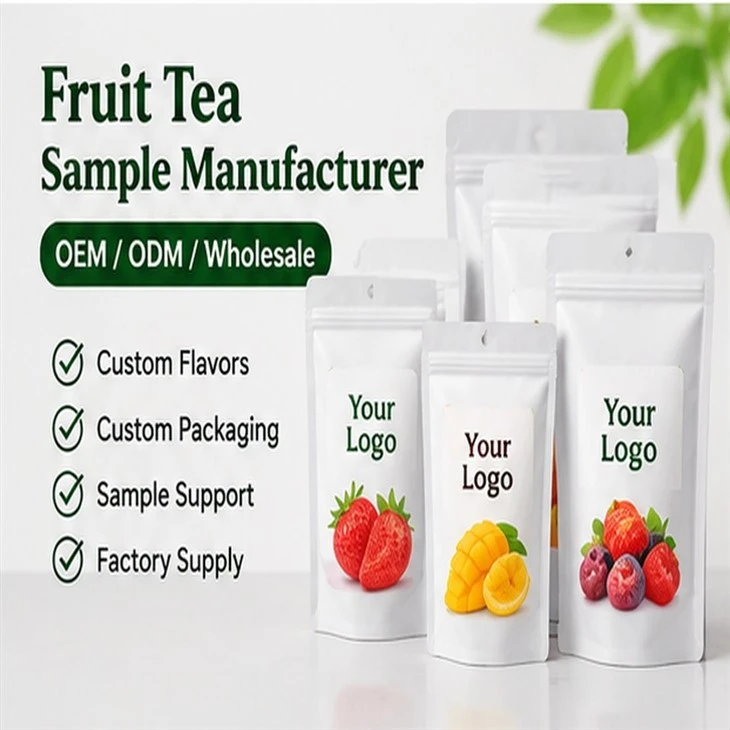
A private-label project can begin with an existing fruit tea concept or a buyer-defined flavor direction.
Potential development discussions may include the tea base, fruit profile, aromatic balance, ingredient preferences and intended preparation method.
Packaging requirements can be considered alongside the formulation to create a consistent product identity.
Custom development feasibility, minimum quantities, sampling arrangements and production terms require confirmation for each project.
14. Packaging Formats and Distribution Needs
The appropriate packaging format depends on the intended application and product characteristics.
Retail tea products may require consumer-facing labels and convenient portion sizes.
Foodservice customers may prioritize handling efficiency, storage requirements and preparation consistency.
For international distribution, packaging should also be assessed for moisture protection, closure integrity and compatibility with the selected formulation.
The final packaging structure must meet applicable food-contact and destination-market requirements.
15. Quality and Consistency During Product Approval
When a preferred sample is selected, buyers should establish a clear reference for future purchasing.
This may include an approved formulation, sensory profile, ingredient specification and packaging requirements.
For subsequent commercial orders, agreed quality criteria can help reduce differences between the approved sample and delivered goods.
Potential review points include ingredient identity, sensory consistency, net weight, packaging condition and relevant food safety documentation.
16. Regulatory Considerations for International Buyers
Fruit tea products may be subject to food import, labeling and ingredient requirements that differ between countries.
Depending on the formulation, buyers may need to review permitted ingredients, additive rules, allergen declarations, nutrition labeling and product classification.
Shelf-life statements and storage instructions should be supported by the actual product specifications.
Importers should confirm the applicable requirements for their destination market before commercial distribution.
17. Frequently Asked Questions
What is the main purpose of a fruit tea sample set?
It provides a practical basis for comparing selected beverage concepts before making larger commercial purchasing decisions.
Can buyers request specific fruit flavors?
Flavor preferences can be submitted for review. Actual availability depends on the existing sample range and development feasibility.
Can fruit tea samples be used for menu testing?
Yes, suitable samples may support preliminary beverage development. Preparation instructions and intended use should be confirmed for each formulation.
Are all fruit tea products caffeine-free?
No. Products containing green, black, oolong or other traditional tea leaves may naturally contain caffeine. The formulation determines the caffeine profile.
Can the sample lead to a custom bulk order?
A selected sample may provide a starting point for commercial product discussions. Bulk availability and purchasing terms require confirmation.
How can I compare several fruit tea samples fairly?
Use consistent preparation conditions, identify each sample clearly and record sensory observations using the same evaluation criteria.
What should be included in a sourcing inquiry?
Provide the preferred fruit flavors, target market, intended product format, estimated purchasing quantity and any formulation or packaging requirements.
18. Begin Your Fruit Tea Product Evaluation
The Fruit Tea Sample Set provides a practical starting point for businesses seeking to explore new flavor concepts, compare beverage profiles and prepare future product development decisions.
Whether your business serves specialty retail customers, foodservice operators or private-label beverage markets, a structured sampling process can help clarify product requirements before larger purchasing commitments.
Contact Yuni Food to discuss available fruit tea samples, preferred flavor directions and commercial sourcing requirements.
Official Website: www.yunileaf.com
Hot Tags: fruit tea sample, China fruit tea sample manufacturers, factory


